
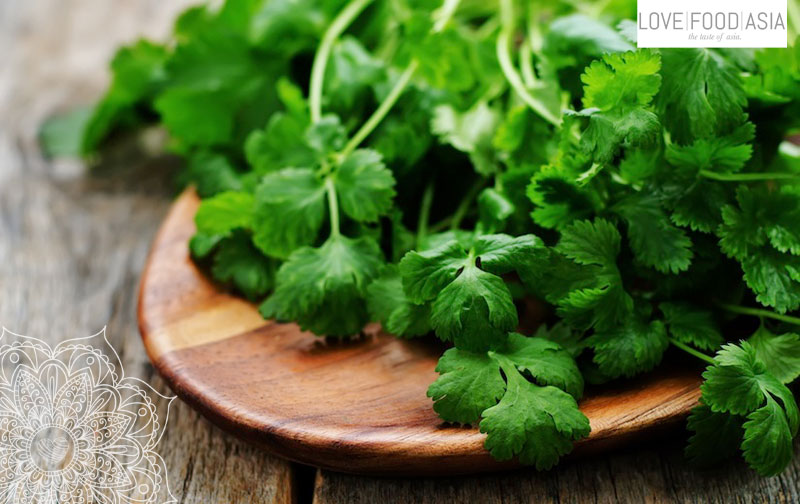
Coriander / Cilantro – The Essential Herb of Asian Cuisine
Coriander, also known as cilantro, Chinese parsley, or dhania, is an annual herb belonging to the Apiaceae family. Its fresh leaves and dried seeds are widely used across cuisines in South Asia, Southeast Asia, China, Thailand, and beyond. The plant is native to regions from southern Europe and northern Africa to southwestern Asia. It grows to about 50 cm (20 in) tall and has variable leaves – broad at the base and slender, feathery near the flowers. Its small, white or pale pink flowers form in umbels, while the seeds are commonly used as a spice or seasoning.
How Is Coriander Used?
All parts of the coriander plant are edible, but the fresh leaves and dried seeds are most frequently used in cooking. Fresh leaves enhance the flavor of Indian chutneys, salads, and curries, while they also play an important role in Chinese, Thai, Vietnamese, and other Southeast Asian dishes. Coriander leaves are often added as a topping, mixed into the dish, or served as a side garnish. The seeds, on the other hand, are typically ground or toasted and used as a spice.
Why Some People Don’t Like Coriander
Some people react strongly to coriander, describing its flavor as soapy. Researchers believe this reaction may be linked to genetics. A study by statistical geneticist Nicholas Eriksson and colleagues analyzed over 10,000 people and found that disliking coriander correlates with two specific genes: one linked to the enjoyment of smells and another connecting smell to taste. So if coriander tastes like soap to you, it might just be in your genes!
Fortunately, there are countless recipes where coriander plays a key role, adding fresh, vibrant flavor without overwhelming the dish.
My Favorite Coriander Recipes


What Do You Think?
How do you use coriander in your cooking? Share your thoughts, leave a comment, rate this post, or post your own photo on Instagram with #lovefoodasia. Your feedback inspires our community and celebrates the diversity of Asian cuisine.